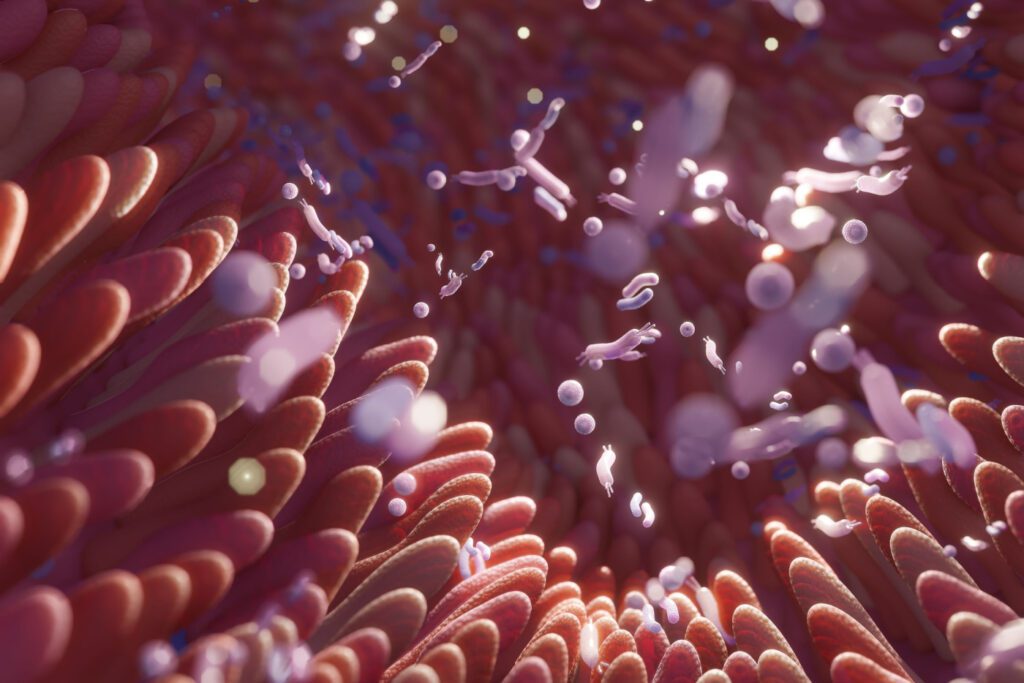
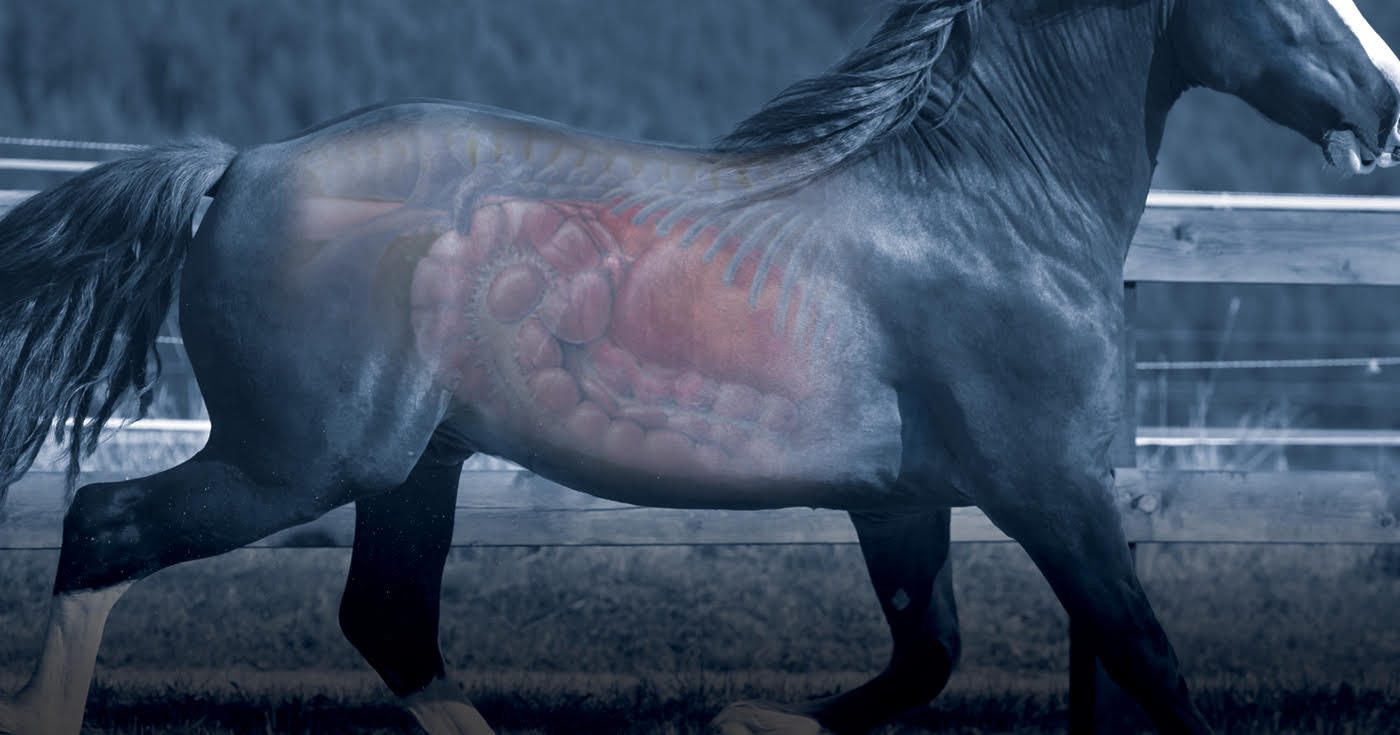
Gut microbiota play a critical role in the gut-brain axis by producing around 30 neurotransmitters that facilitate signalling between the gastrointestinal tract and the brain.
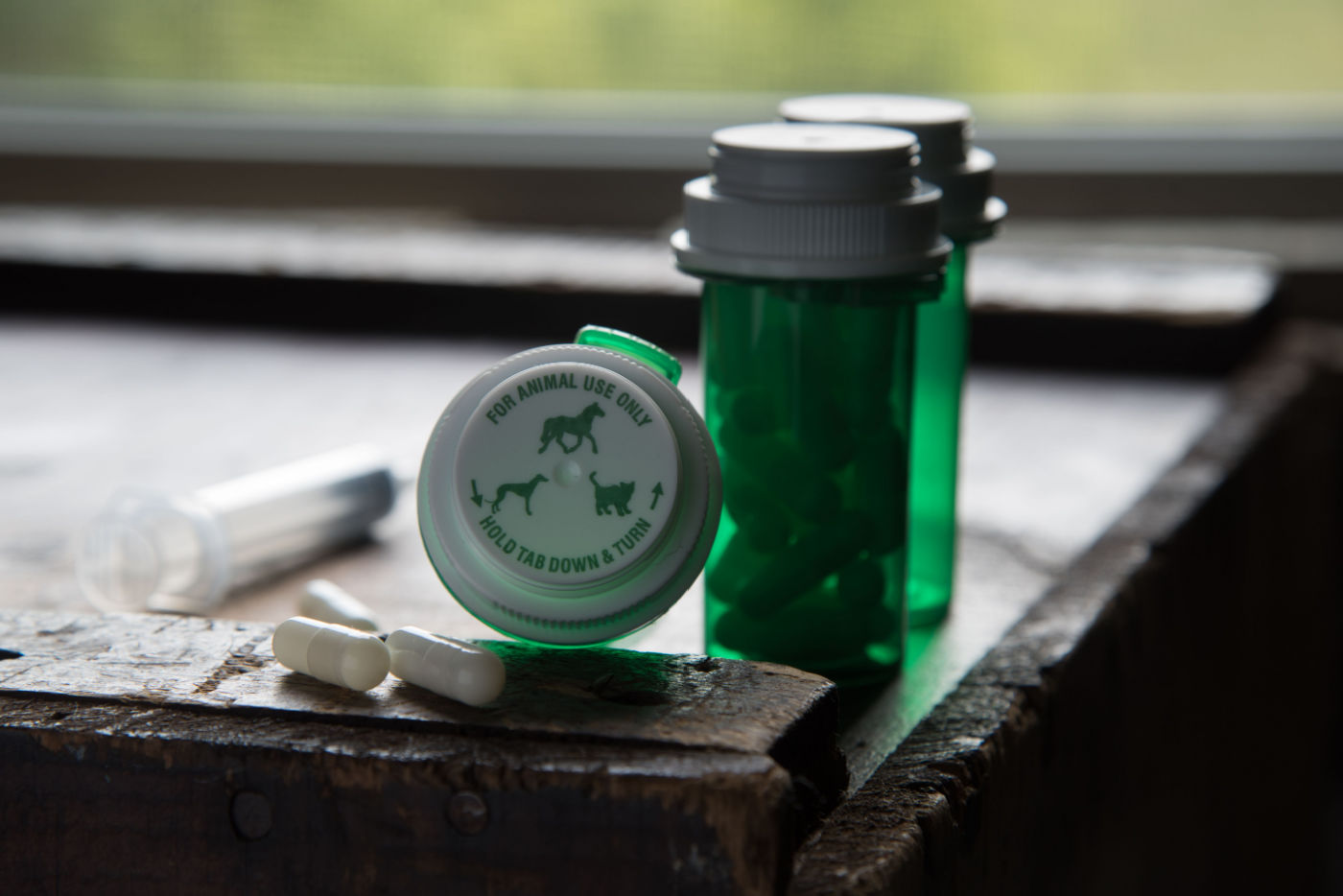
The misuse and overuse of systemic antibiotics have significant implications for the overall health of the equine population. Learn how to combat the side effects.
The misuse and overuse of systemic antibiotics have…
Equine practitioners have long recognized the relationship between gut health and overall wellness, and even behavior and performance. But recent research on the gut-brain-microbiota axis is revealing more about the profound impacts of the gut microbiota on cognition and emotion.
Equine practitioners have long recognized the relationship between…
Veterinarians often get questions from clients about the safety and benefits of using certain medications and supplements simultaneously. These two types of products serve distinct purposes, and while some supplements can have adverse interactions with certain medications, others can benefit equine patients by providing additional support.
Veterinarians often get questions from clients about the…
While gastric ulcers are a common focus in equine practice, intestinal pathologies found beyond the stomach may present a greater challenge for veterinarians. Enteritis and other intestinal disorders can be difficult to diagnose. But these digestive issues have a significant impact on equine welfare and performance.
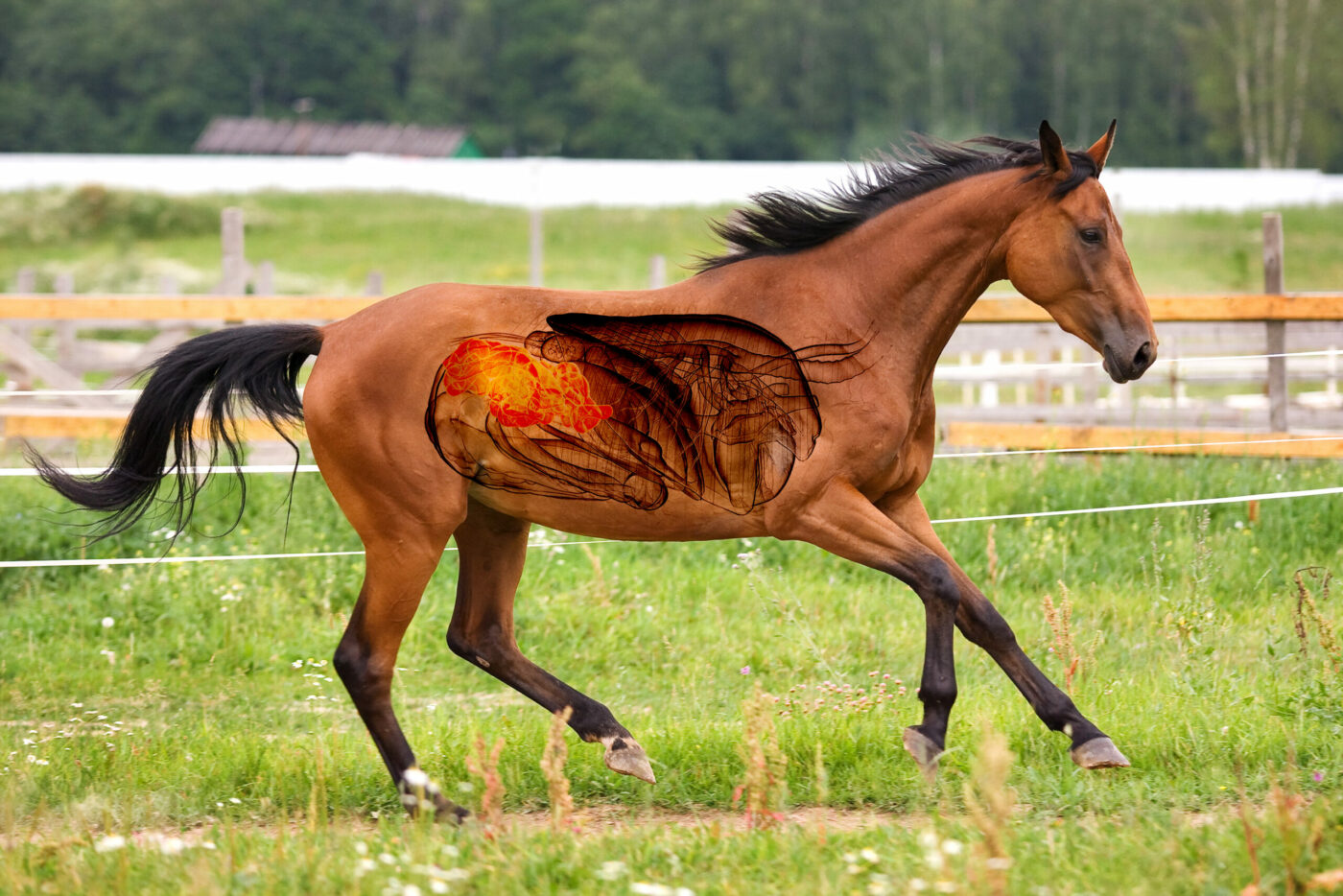
Equine veterinarians are starting to recognize the importance of the hindgut in digestive wellness as well as the problems that affect it. Hindgut health is vital to a horse’s overall health and performance, and it is a significant issue for performance horses specifically.
Equine veterinarians are starting to recognize the importance…
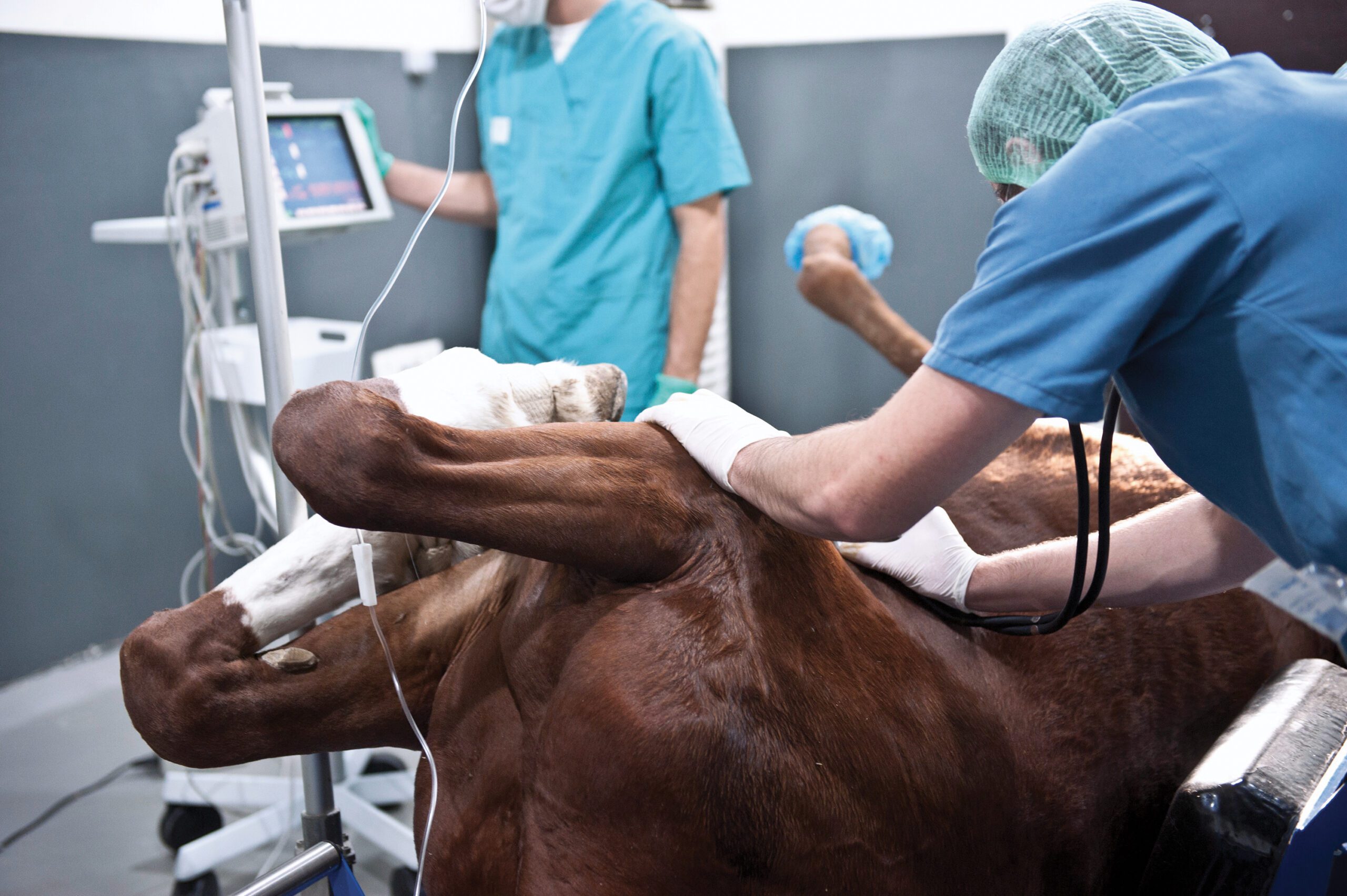
Maintaining a healthy GI tract via nutritive support is key to effective surgery preparation and rapid post-op recovery in horses. Impaired GI health is directly associated with impaired immune health (Schley and Field, 2002; Artis, 2008; Jarchum and Pamer, 2011). Compromised GI health and immune health in the immediate post-surgical period may be unavoidable, but based on what we currently know, it is almost certainly possible to minimize impairments.
Maintaining a healthy GI tract via nutritive support…
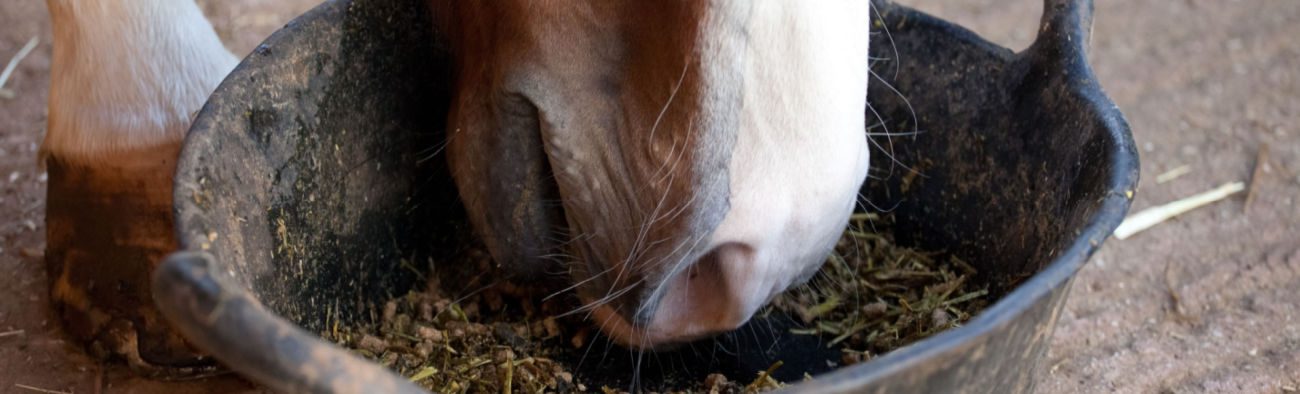
When it comes to a horse’s health, nothing is more important than nutrition. It plays a role in almost everything—weight, body condition, attitude, energy, immunity, hoof health, and even mental focus. Therefore, appropriate and adequate nutrition represents a central factor in overall wellness in horses.
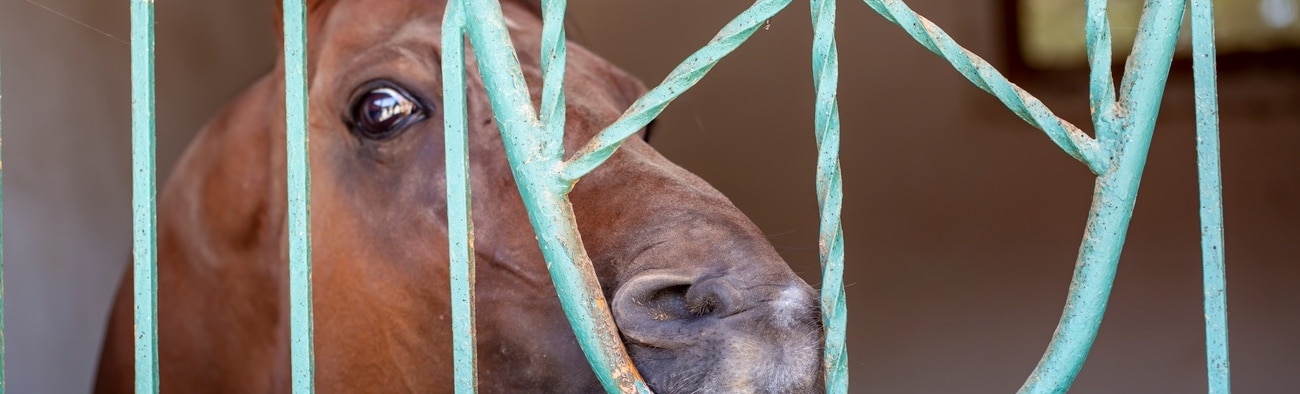
Stereotypies, such as cribbing and stall-walking, are not found in wild horses, thus are likely a direct result of domestication and modern husbandry practices. While they may arise for a variety of reasons, these vices can be symptomatic of GI distress as well as of a stress reaction taking place in the horse’s brain. Keep reading to see how the gut and the brain work together to keep the horse’s immune system intact, and how the immune system in turn keeps the gut healthy and balanced.
Stereotypies, such as cribbing and stall-walking, are not…